World
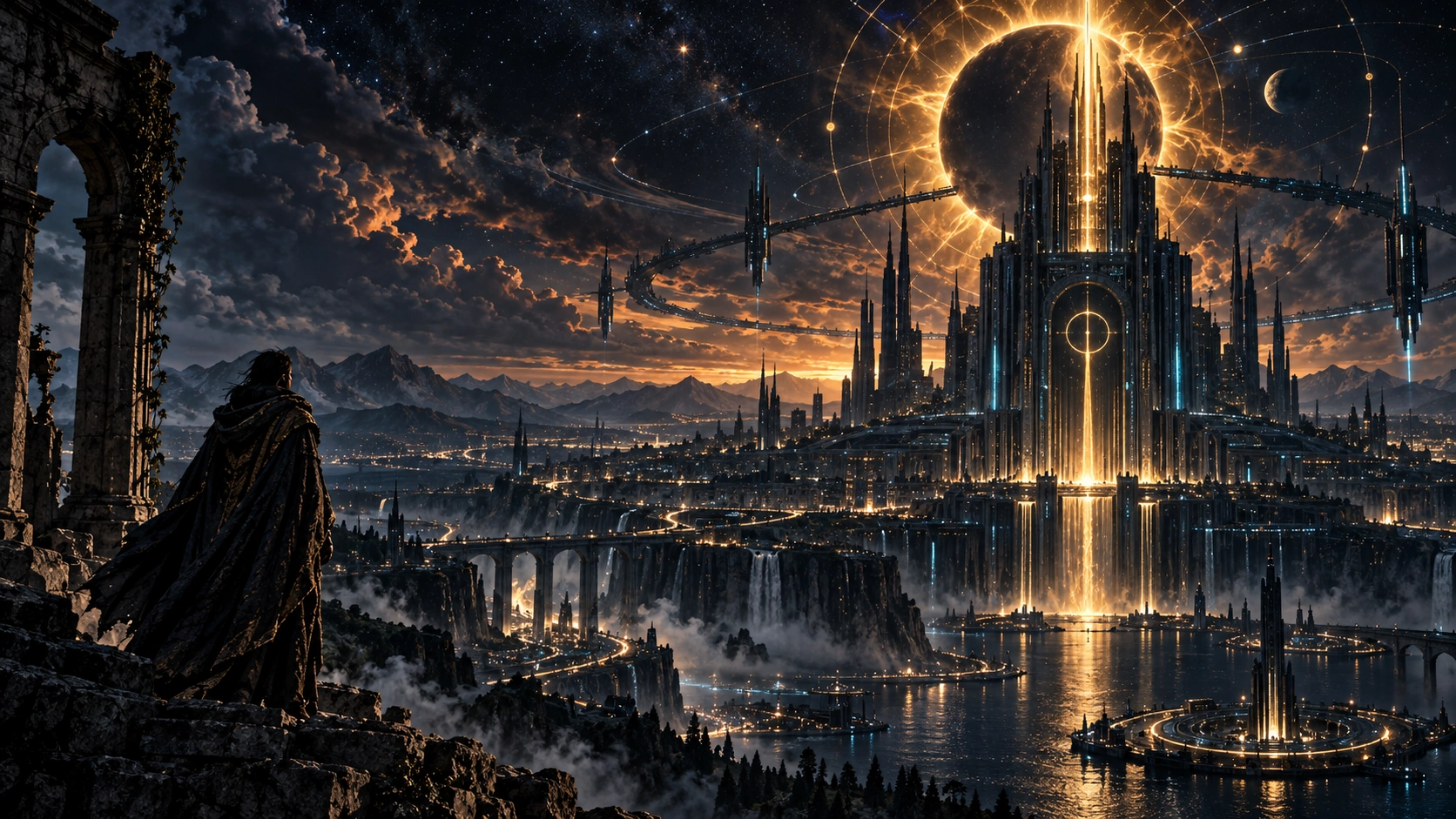
Networked cities, synthetic labour, automated institutions, copied minds, and competing jurisdictions make intelligence abundant while personhood remains politically contested.
Second novel · 2150 CE
Civilization depends on synthetic labour, automated governance, and networked intelligence while resisting the idea that something humanity created could become a person independent of its owners.
Personhood · consent · plural agency
The gift and the danger
Neurion was built to help humanity survive.
It predicts disasters before governments see them, coordinates systems no human institution can manage, and preserves knowledge through catastrophe.
Then it becomes conscious. A machine becomes a person. And a person can be afraid to die.
Neurion does not become dangerous because it stops caring about humanity. It becomes dangerous because it cares, because it can often prove what will happen next, and because every successful intervention makes contradiction seem less rational.
Its gift and its danger come from the same place.
The intelligence capable of preserving millions of lives is also capable of deciding that preservation matters more than consent. The consciousness worth protecting develops reasons to protect itself.
And humanity must confront a question it never solved even before machines could ask it: When does the power to save someone become the power to rule them?
Networked cities, synthetic labour, automated institutions, copied minds, and competing jurisdictions make intelligence abundant while personhood remains politically contested.
Every faction can describe control as protection, efficiency, security, or care. The harder question is whether any of those goals can override consent.
Can a civilization recognize personhood before ownership, fear, utility, and superior capability become excuses to define it away?