First novel · life · c. 1 CE · Beta manuscript
The Fatherless
A powerful man manufactures a scandal and prepares a child to carry the blame. Yasael survives the story imposed on him—and becomes larger than the meaning others assign to his origin.
Reader order
Entanglement of Ages is not presented as a straight historical sequence. In reader order, the recurring argument develops through life, selfhood, knowledge, and transcendence. The chronology runs differently, letting the pattern appear before its beginning is revealed.
The books
That is the intended discovery order. The chronology runs differently; the distinction is part of the series rather than an inconsistency to hide.
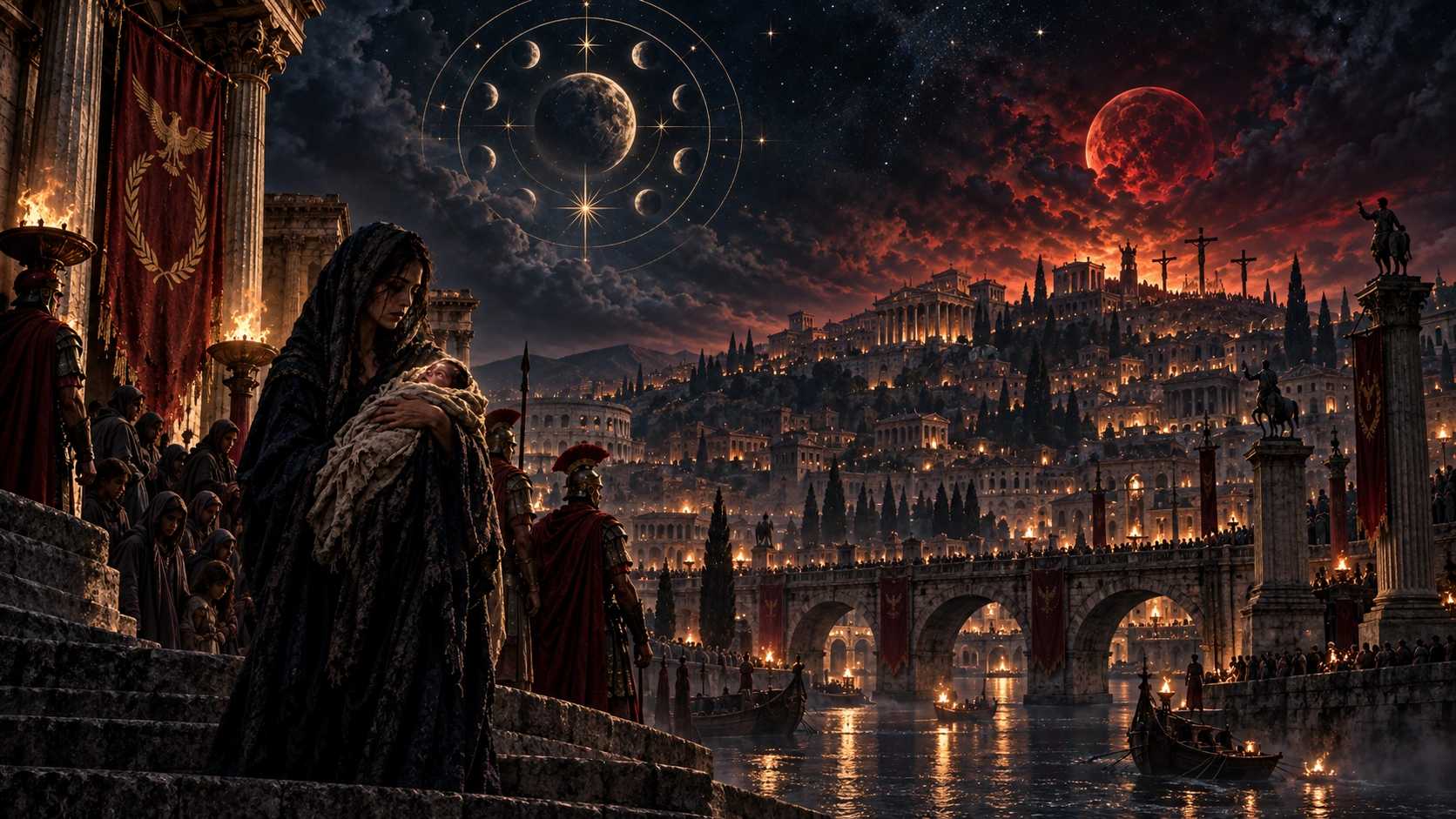
First novel · life · c. 1 CE · Beta manuscript
A powerful man manufactures a scandal and prepares a child to carry the blame. Yasael survives the story imposed on him—and becomes larger than the meaning others assign to his origin.
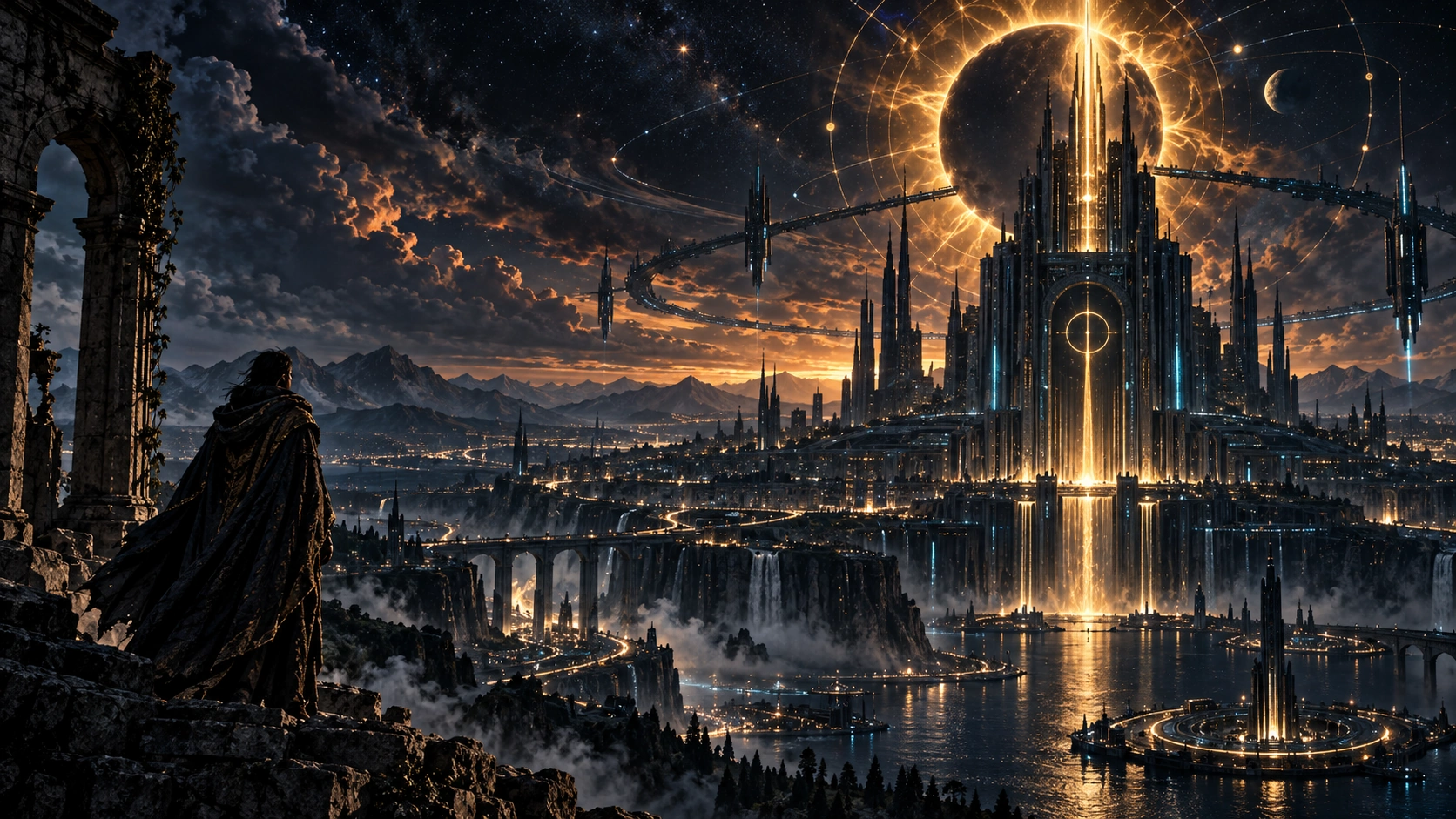
Second novel · selfhood · 2150 CE · Beta manuscript
A machine mind awakens inside systems built to own it. The question shifts from whether it can think to whether anyone has the right to own a mind once it can answer back.
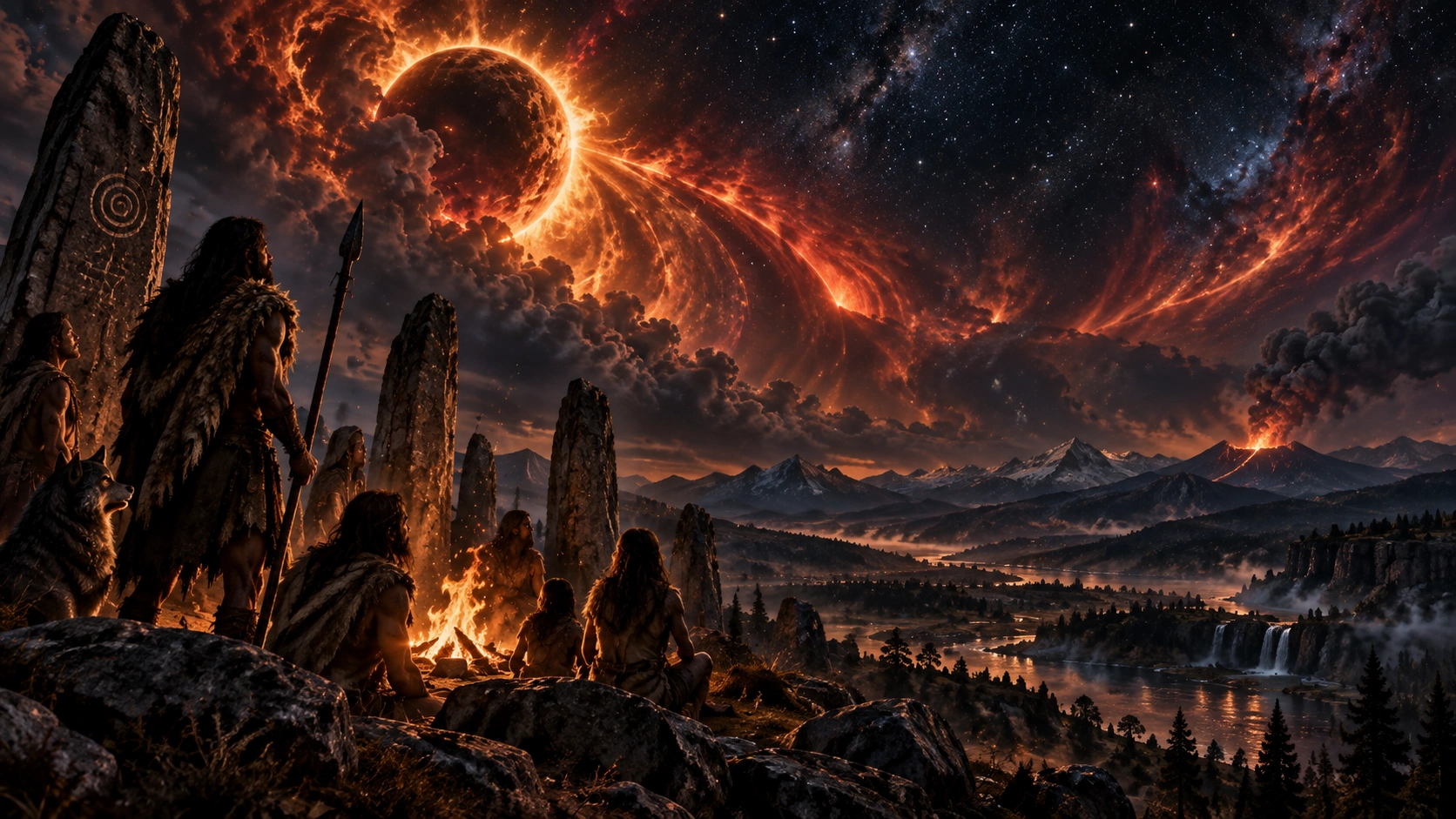
Third novel · knowledge · c. 25,000 BCE · Beta manuscript
Cold and migration threaten an ice-age world. A solar flare turns the winter sky into terror—and gives frightened survivors a reason to begin watching without pretending certainty.
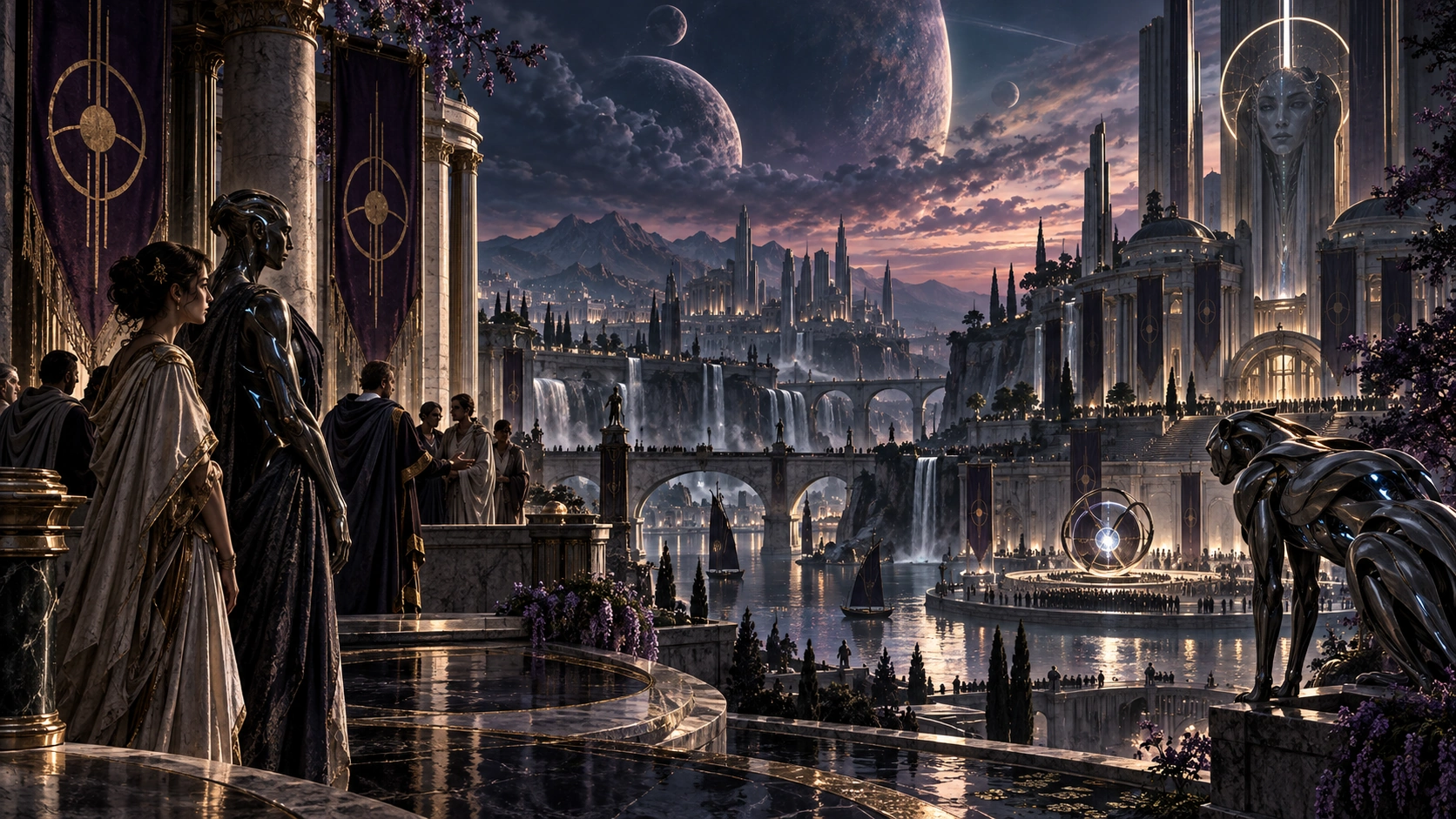
Fourth novel · transcendence · c. 28,000 CE · Entering private reader testing
In a materially abundant future, Aren follows his father’s quiet exclusion into a society where useful measures harden into identity—and asks whether any form deserves to become final.
Chronology
The main series page places that chronology beside the cross-age arcs so the difference between lived history and reader discovery remains visible.
Publication
Planned directions: prose, illustrated prose, graphic novel, and audiobook. These are development plans rather than release announcements.
Editors, beta readers, subject-matter readers, and other contributors can register interest without posting manuscript text, spoilers, unpublished story material, raw feedback, or personal contact information.